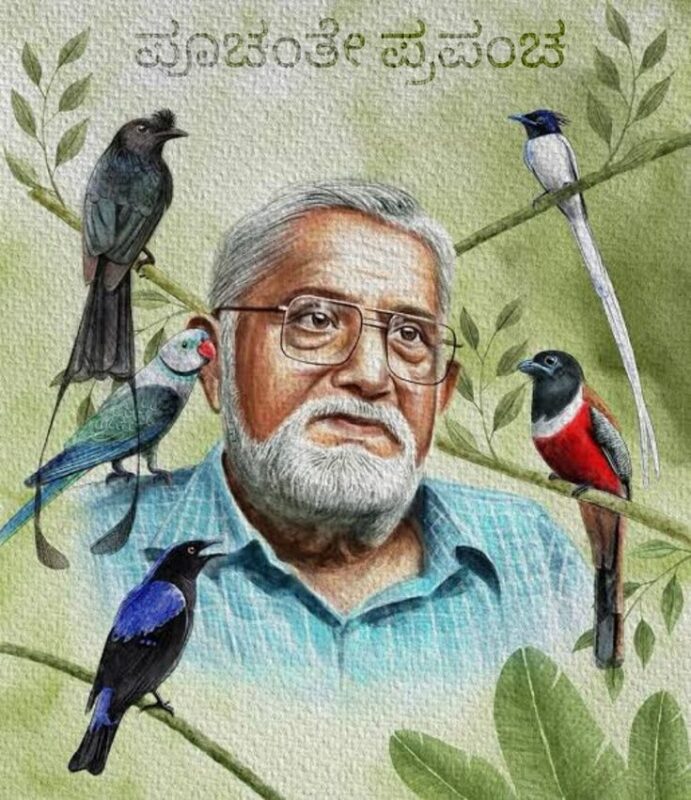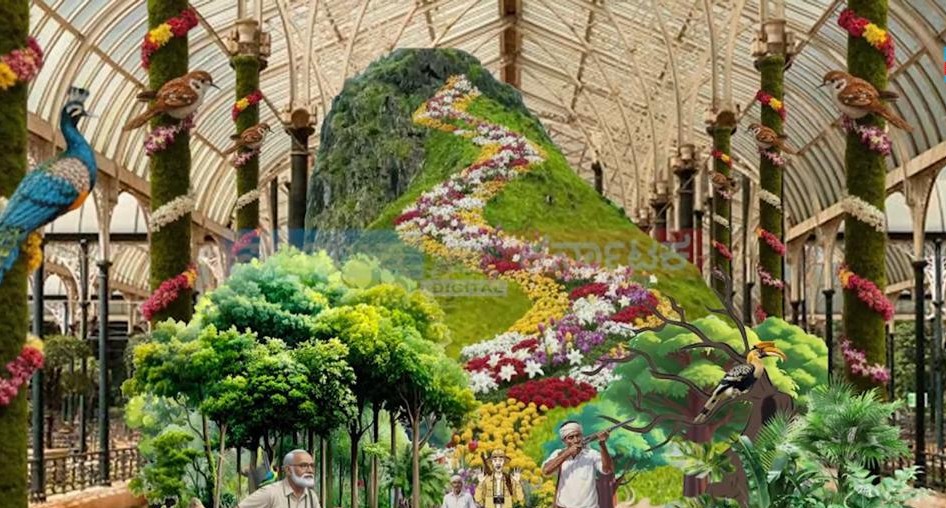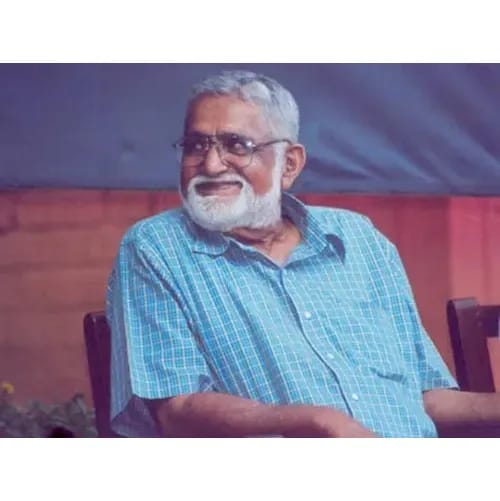
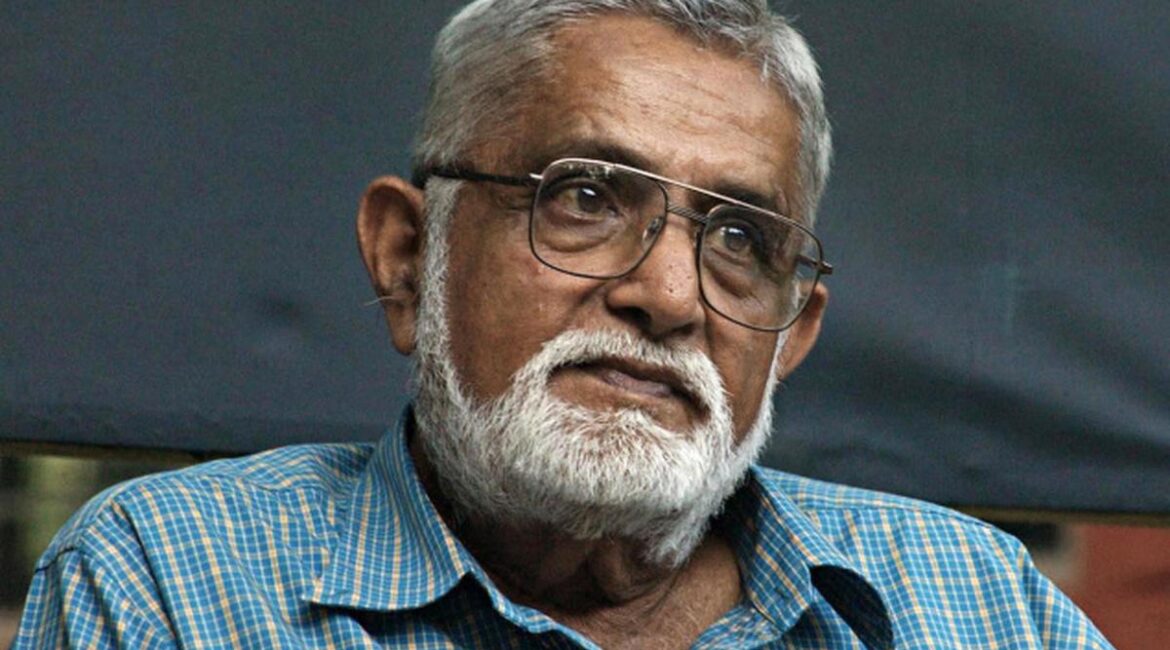
The Republic Day Flower Show at Lalbagh this year stands as a vibrant tribute to K.P. Poorna Chandra Tejaswi, one of the most celebrated and influential voices in Kannada literature, whose life and work seamlessly blended literature, science, wildlife, and social thought.
Widely regarded as a literary icon, Tejaswi enriched Kannada writing with a rare combination of creativity, rational thinking, and deep ecological sensitivity. His novels, short stories, essays, and columns reflected an inquisitive mind rooted in the landscapes of Karnataka—especially the Western Ghats, where he spent much of his life. Nature was not merely a backdrop in his writing; it was a living character that shaped human thought, ethics, and survival.
Tejaswi’s profound contribution to wildlife awareness remains unmatched. Through his works, he introduced generations of readers to the rich biodiversity of Karnataka—its forests, birds, insects, and ecosystems—instilling respect for conservation long before environmentalism became mainstream. His keen observations of birds and animal behaviour were informed by both curiosity and scientific temper, making his writing accessible yet intellectually rigorous.
An accomplished photographer, Tejaswi used the camera as another medium of storytelling. His wildlife and nature photography documented the unseen rhythms of forests and rural life, reinforcing his belief that art and science are inseparable. His rational outlook and interest in science helped popularise scientific thinking in Kannada, encouraging readers to question superstition and embrace evidence-based reasoning.
Tejaswi was also a pioneer in expanding the reach of Kannada in the digital and modern intellectual space. His ideas, essays, and discussions continue to thrive in digital platforms, inspiring young readers, writers, and researchers to explore Kannada as a language capable of expressing complex scientific, ecological, and philosophical ideas.
The Lalbagh Flower Show, themed ‘Tejaswi Vismaya’, visually captures this extraordinary legacy through floral recreations of landscapes, characters, and symbols central to his life and work. More than a celebration, it is a reminder of Tejaswi’s enduring relevance—as a writer who belonged to the soil, spoke for nature, championed reason, and elevated Kannada literature to a space where creativity met conscience.
In honouring Poorna Chandra Tejaswi, the exhibition salutes a thinker whose words continue to nurture minds, protect nature, and inspire Karnataka’s cultural and intellectual future.