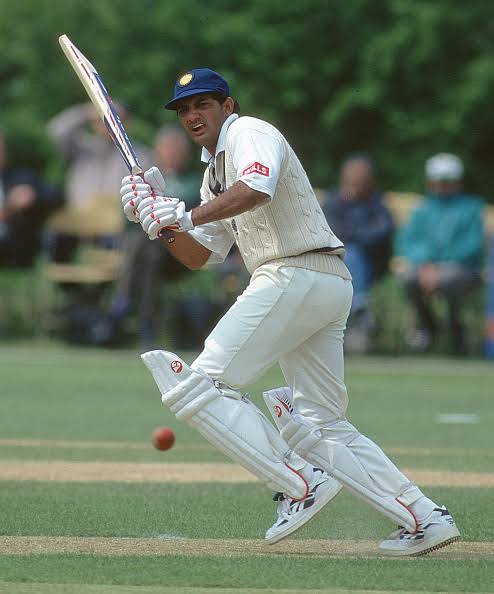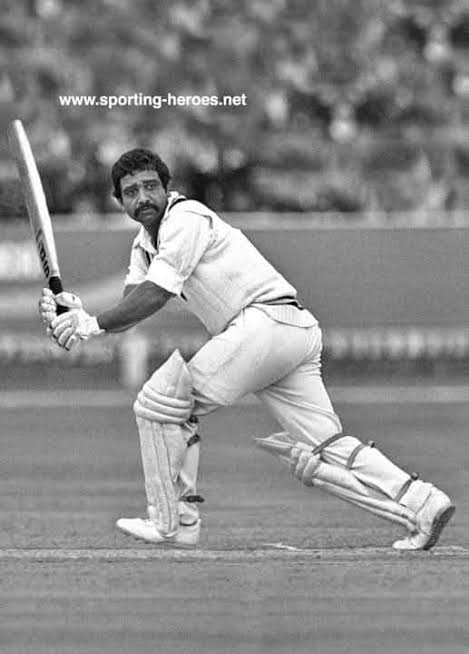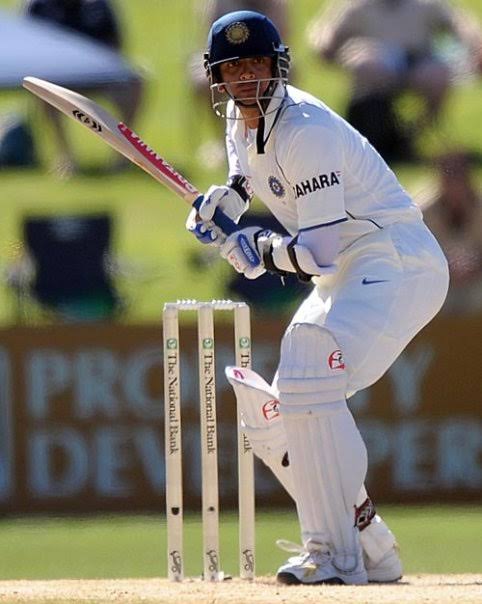
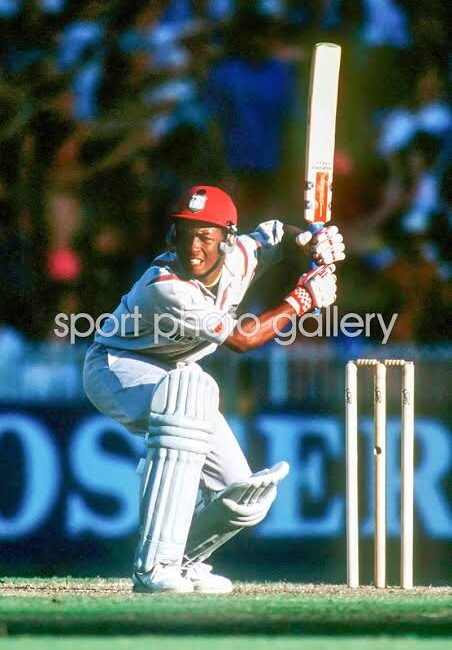
In an age where cricket is increasingly defined by explosive hitting, soaring sixes, and relentless strike rates, the gentle charm of artistic batting feels almost nostalgic. Yet for those who cherish the finer nuances of the game, elegance at the crease remains cricket’s purest expression—where timing defeats power and grace overrules aggression.
Artistic batting is the rare ability to read a bowler’s delivery in a fraction of a second—judging pace, swing, and bounce—and meeting the ball with the middle of the bat. Instead of muscular swings, the batter relies on soft hands, supple wrists, and precise footwork to guide the ball between fielders. The stroke appears effortless, like lifting butter delicately from buttermilk, requiring awareness and rhythm rather than brute force.
Cricket has been blessed with masters of this refined craft. Legends such as Gundappa Viswanath, Sunil Gavaskar, Rahul Dravid, and Sachin Tendulkar turned batting into poetry, while Brian Lara painted the field with flair and timing. In the contemporary game, glimpses of this tradition survive in the controlled brilliance of Virat Kohli and KL Rahul, reminding us that elegance still has a place amid power.
Beyond aesthetics, artistic batting carries lasting value. It builds consistency in longer formats, reduces reckless dismissals, and preserves the strategic intelligence that defines cricket. Without such grace, the sport risks becoming a mere contest of strength—spectacular, perhaps, but stripped of its subtle beauty.
As young cricketers grow up in the shadow of T20 fireworks, the lesson is simple: cultivate timing, balance, and placement. For while power may win moments, artistry wins memory—and it is memory that ultimately shapes cricket’s enduring legacy.