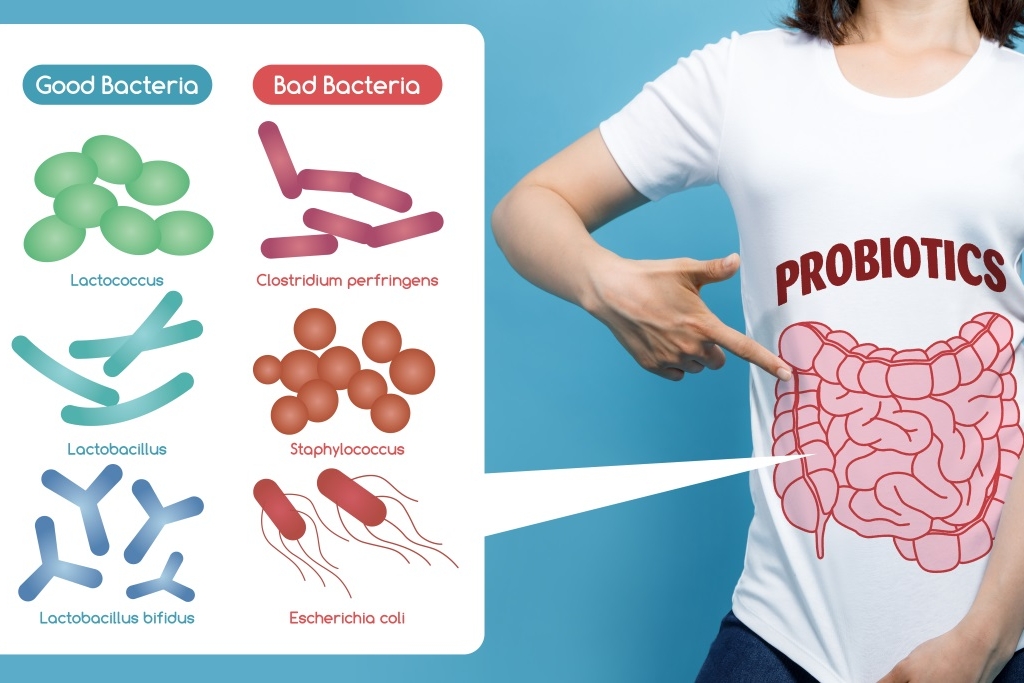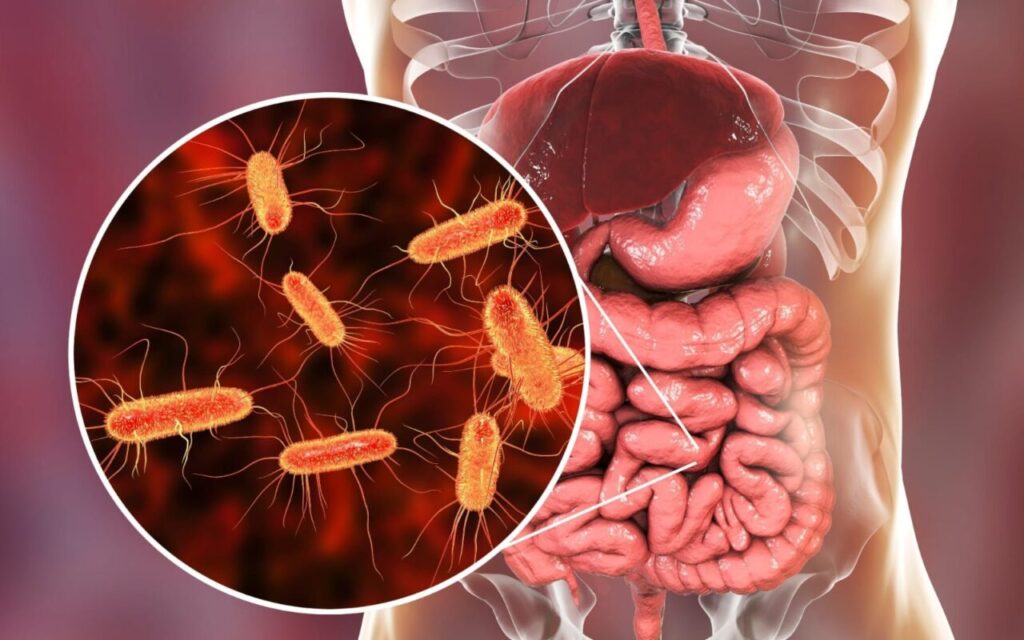
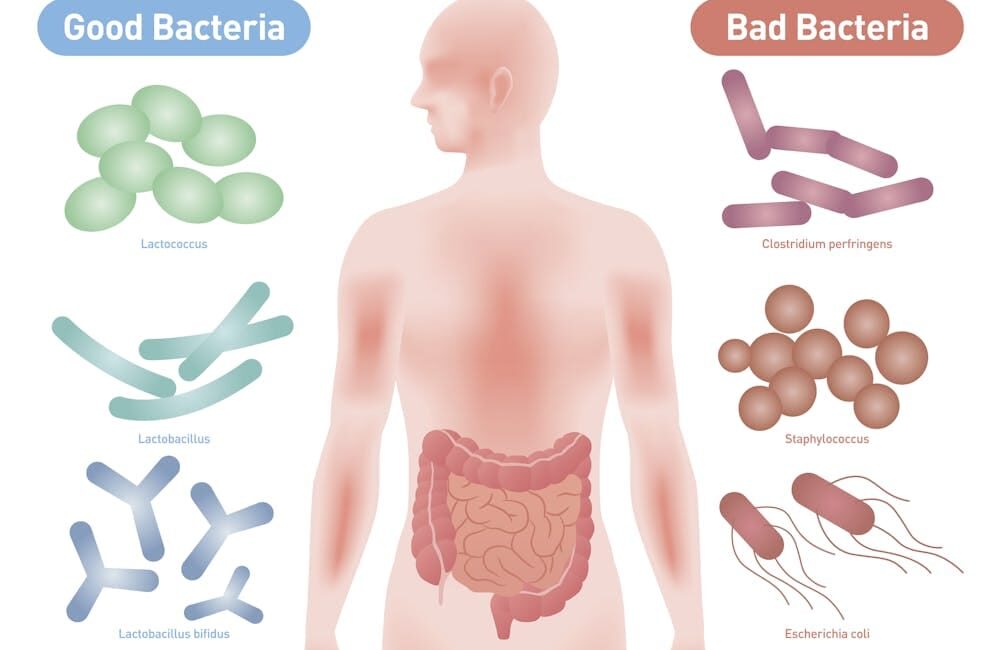
Scientific research has increasingly highlighted the vital role of gut bacteria collectively known as the gut microbiome in maintaining both physical and mental health in humans. Experts state that the balance of microorganisms in the human digestive system directly influences immunity, digestion, metabolism, and brain function.
According to health researchers, the human gut is home to trillions of beneficial bacteria that assist in breaking down complex foods, absorbing essential nutrients, and producing vitamins such as B12 and K. Nearly 70 per cent of the body’s immune system is linked to the gut, making healthy gut bacteria critical in protecting the body against infections and inflammatory diseases.
Medical studies also point to a strong connection between gut health and mental well-being through what is known as the “gut–brain axis.” Beneficial bacteria are known to produce neurotransmitters, including serotonin, which plays a key role in regulating mood, sleep, and stress levels. An imbalance in gut bacteria has been associated with anxiety, depression, and cognitive difficulties.
Doctors warn that unhealthy dietary habits, excessive use of antibiotics, chronic stress, and lack of physical activity can disturb gut microbial balance, leading to digestive disorders, weakened immunity, and mental health challenges.
Health experts recommend a diet rich in fibre, whole grains, fruits, vegetables, and fermented foods to promote a healthy gut. Regular exercise, adequate sleep, and stress management are also advised to maintain a balanced gut microbiome.
With growing evidence linking gut health to overall well-being, medical professionals stress that caring for gut bacteria is essential for leading a healthier and more mentally resilient life.