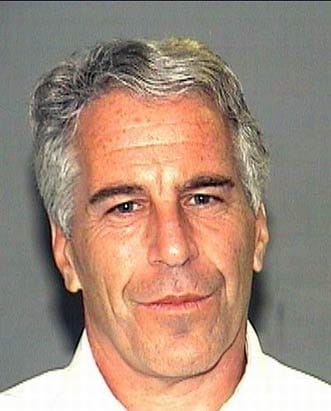

The term “Epstein files” refers to court documents, testimonies, and investigative records connected to the late American financier Jeffrey Epstein, who was accused of running a sex-trafficking operation involving underage girls. These materials have drawn global attention because they mention powerful and well-known individuals from politics, business, and entertainment, leading to widespread public curiosity and concern.
Epstein owned a private island in the U.S. Virgin Islands, where prosecutors alleged that abuse and exploitation of minors took place. Several victims later filed civil lawsuits describing misconduct and naming associates, although being mentioned in documents does not automatically mean a person committed a crime. This distinction has been repeatedly emphasized by courts and investigators.
Jeffrey Epstein was arrested in 2019 on federal charges of sex trafficking of minors. While awaiting trial in a New York jail, he died in custody, with authorities ruling the death a suicide. His associate Ghislaine Maxwell was later convicted in a U.S. court for helping recruit and traffic minors and is currently serving a prison sentence.
Public discussion around the “Epstein files” continues because of demands for transparency, accountability, and justice for survivors. Governments and courts in the United States have released portions of related records over time, while some information remains sealed for legal and privacy reasons.
The case remains one of the most closely watched legal scandals in recent history, raising broader questions about power, influence, and the protection of vulnerable individuals.