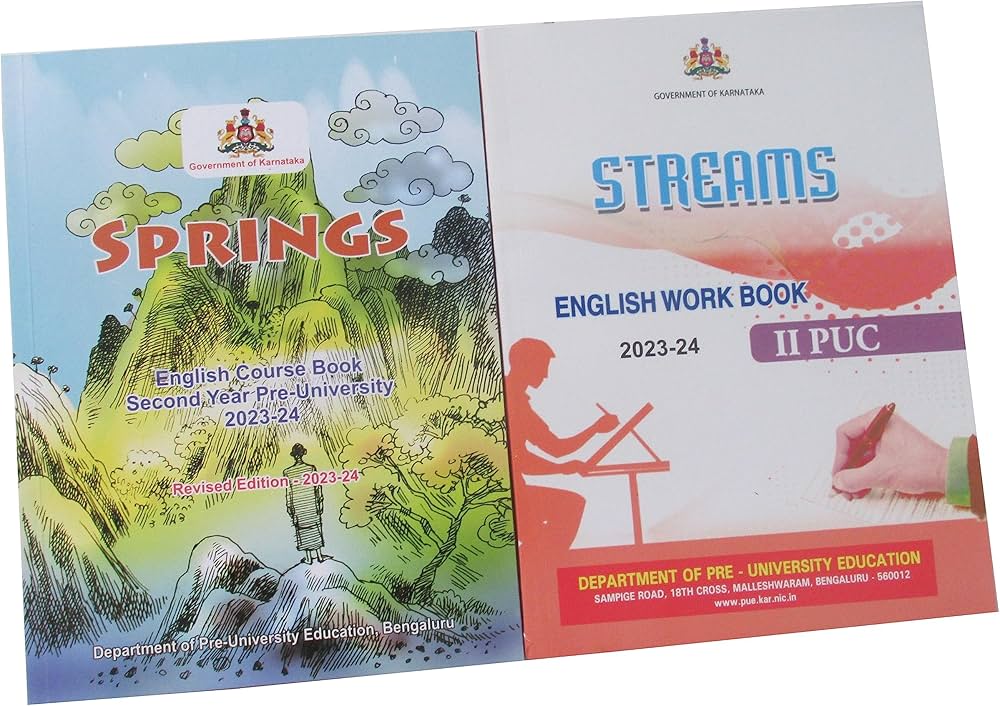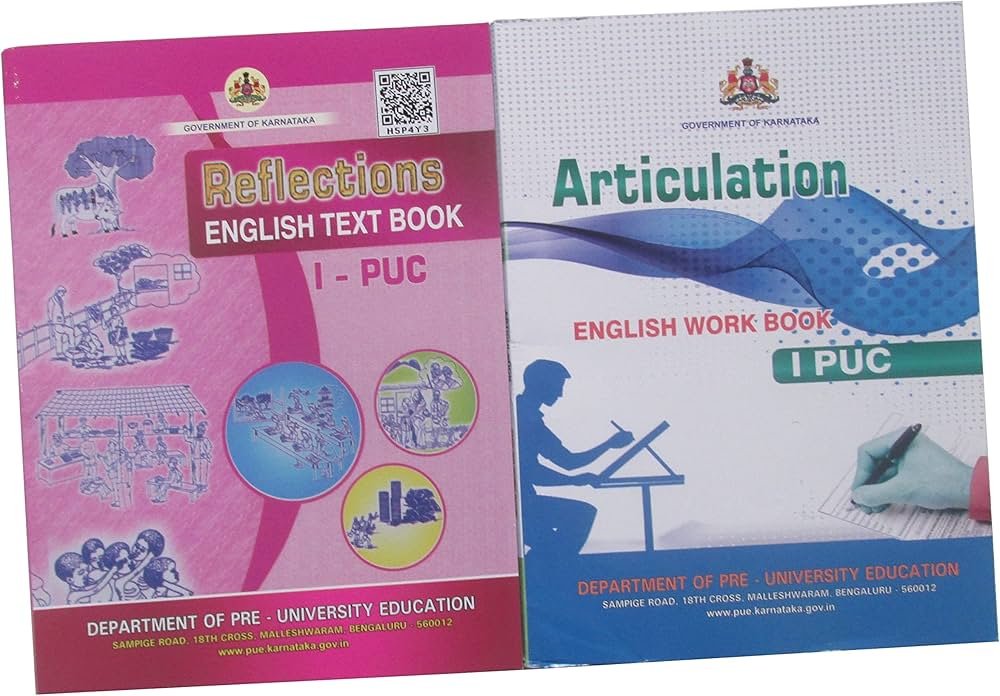
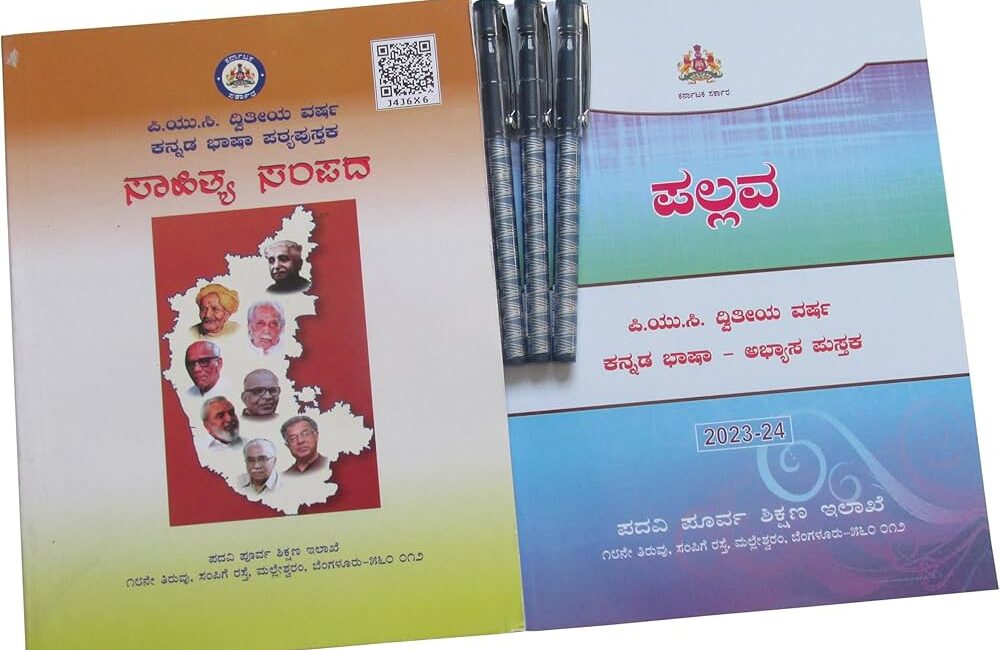
In a significant policy shift, the Karnataka Education Department has introduced new norms governing the printing and distribution of pre-university (PU) textbooks, mandating advance payment and implementing an online demand forecasting system from the 2026–27 academic year.
The move is aimed at improving transparency, reducing wastage, and ensuring timely delivery of textbooks to colleges across the state. Officials said the new system will require institutions to submit their requirements through a centralized online portal, based on verified student enrollment data. Printing orders will be processed only after advance payments are received, marking a departure from the earlier supply-based model.
Authorities believe the digital demand mechanism will prevent overprinting and curb delays that have occasionally disrupted the academic calendar. “The objective is to streamline procurement, eliminate surplus stock, and make the entire process more accountable,” a senior official stated.
However, the revised norms are expected to have a ripple effect on printing presses, paper suppliers, transport operators, and warehouse agencies—particularly in and around Bengaluru, which serves as a major hub for textbook production and logistics.
Industry representatives have expressed cautious optimism. While some printers welcome the predictability of confirmed orders backed by advance payments, others have raised concerns about cash flow adjustments and tighter timelines for production.
Logistics operators, too, anticipate changes in scheduling and distribution patterns as textbook dispatches will now be closely aligned with verified demand rather than bulk seasonal movement.
Education experts note that if implemented efficiently, the reform could modernize textbook supply management and set a precedent for other states.
The department is expected to issue detailed operational guidelines in the coming months to ensure a smooth transition before the next academic cycle begins.