
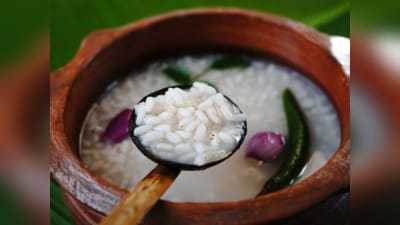
Fermented rice, locally known as Tangalanna, is gaining renewed attention for its powerful benefits to gut health, blending age-old food practices with modern nutritional science. Prepared by soaking cooked rice overnight in water, this humble dish becomes a natural probiotic-rich food by morning.
Health experts note that the fermentation process promotes the growth of beneficial bacteria, which aid digestion, improve nutrient absorption, and help maintain a healthy balance of gut microbes. Regular consumption of Tangalanna is believed to reduce acidity, prevent constipation, and strengthen immunity by supporting the gut–brain connection.
Beyond digestion, fermented rice is also valued for its cooling effect on the body, making it especially suitable for tropical climates. Rich in B vitamins, iron, and essential minerals, it provides sustained energy while being easy on the stomach.
Once a staple among farming and working communities, Tangalanna is now being rediscovered by urban households as an affordable, sustainable, and health-friendly food choice. Nutritionists emphasize that embracing such traditional fermented foods could play a key role in tackling modern lifestyle-related digestive disorders.
As awareness of gut health grows, Tangalanna stands out as a simple reminder that some of the best health solutions have always been rooted in tradition.